
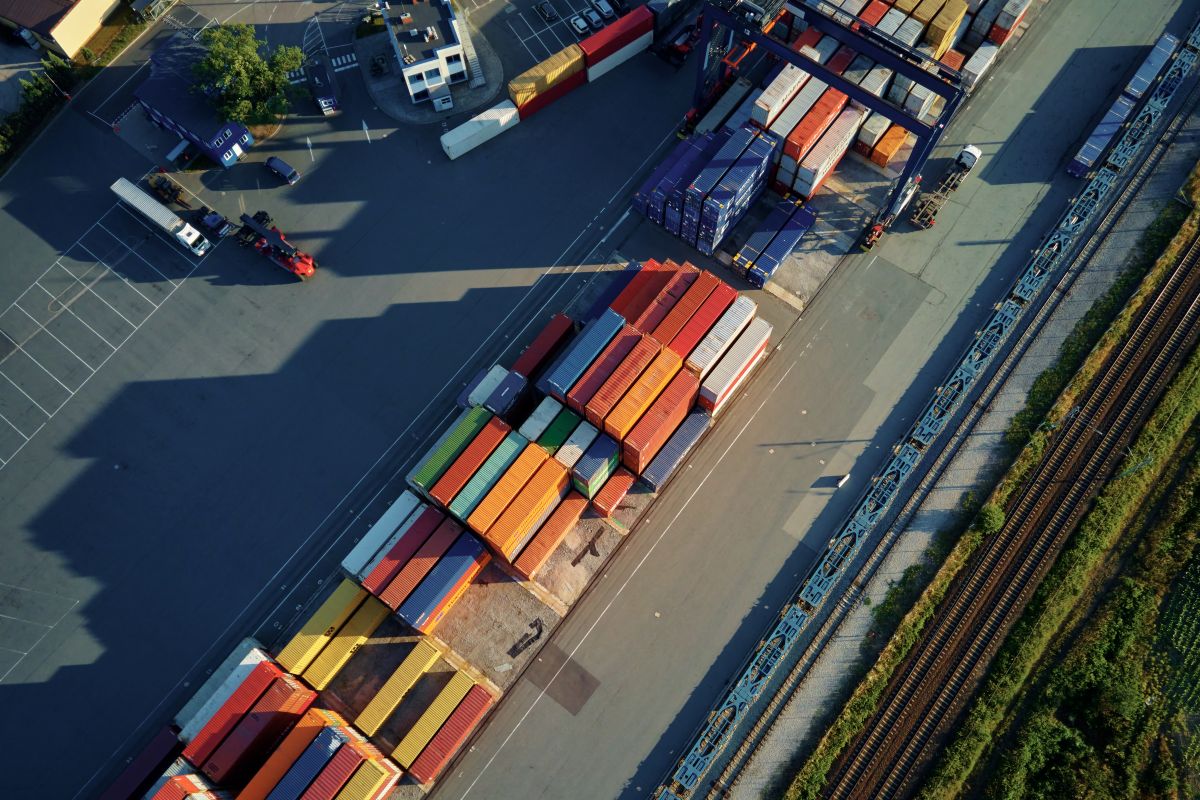
Global freight looks seamless from the outside. Containers move across oceans, customs clearances happen on time, invoices get paid, and customers receive accurate updates. Behind that smooth surface sits a complex web of professionals coordinating every detail. Many of these roles no longer sit inside a single office or even the same country as the goods they manage.
As logistics networks grow more complex and margins tighten, companies in the UK, Europe, and North America are asking a practical question: how do we build reliable, cost effective remote teams that can manage finance, operations, and freight administration without sacrificing quality or control? Increasingly, the answer points to outsourcing to South Africa.
This article pulls back the curtain on the remote roles that keep global freight moving and explains why South Africa has become a strategic outsourcing destination for stable, professional back office and operations talent.
Why Global Freight Depends on More Than Ships and Trucks
When people think about freight, they picture ports, warehouses, and transport fleets. In reality, logistics is powered by people working behind screens. Every shipment relies on accurate data, financial discipline, regulatory compliance, and constant coordination.
Remote professionals handle tasks such as freight billing and reconciliation, shipment tracking, carrier coordination, documentation management, and operational reporting. These are not short term or transactional roles. They require continuity, accountability, and a deep understanding of how logistics businesses operate.
High turnover or fragmented outsourcing models create risk. Errors in invoicing or documentation can delay shipments and damage client trust. That is why companies are moving away from purely cost driven outsourcing and looking for locations that offer stability, skills, and cultural alignment.
Why South Africa Is Emerging as a Global Freight Outsourcing Hub
South Africa offers a combination of advantages that directly align with the needs of freight and logistics companies serving Western markets.
The country has a well established professional services sector, producing graduates in finance, accounting, supply chain management, and business operations. According to industry data, South Africa consistently ranks among the top global destinations for business services outsourcing due to workforce quality and service maturity.
English proficiency is a critical factor. South Africa is one of the largest English speaking talent markets outside the UK and North America, with neutral accents and strong written communication. This reduces friction when remote teams work directly with clients, carriers, and internal stakeholders.
Time zone compatibility is another operational advantage. South Africa overlaps with the UK and Europe during the workday and offers partial overlap with North America. This allows for real time collaboration without forcing teams into unsustainable shift patterns.
Why Finance and Accounting Roles Are Critical in Freight Operations
Why Remote Finance Teams Keep Freight Businesses Profitable
Freight is a high volume, low margin industry. Profitability depends on accurate billing, timely payments, and tight cost control. Remote finance teams play a central role in keeping operations financially healthy.
South Africa produces a large pool of finance and accounting professionals trained under globally aligned standards. Many hold internationally recognised qualifications or have experience supporting UK, European, and North American firms.
Remote finance teams commonly manage accounts payable and receivable, freight invoice auditing, revenue reconciliation, management reporting, and month end close processes. These roles benefit from consistency and process ownership, making them well suited to long term remote employment rather than short term outsourcing contracts.
Compared to other regions, South Africa offers a balance of cost efficiency and professional depth. Businesses gain access to experienced finance talent without the overheads associated with domestic hiring.
Why Operations and Logistics Coordination Roles Thrive Remotely
Why Logistics Talent Does Not Need to Be Onsite
Modern logistics runs on systems, data, and communication. Shipment visibility platforms, transport management systems, and digital documentation allow operational work to be done from anywhere with a secure connection.
South African logistics professionals are experienced in coordinating complex supply chains, often supporting international clients across multiple geographies. Remote operations roles include shipment tracking, exception management, carrier liaison, capacity planning support, and performance reporting.
These roles require attention to detail and proactive problem solving rather than physical presence. South Africa’s education system and professional culture place strong emphasis on accountability and structured processes, which translates well to remote logistics operations.
Why Back Office Remote Teams Create Operational Stability
Why Back Office Roles Are the Backbone of Freight Companies
Behind every successful logistics operation is a back office team ensuring that data is accurate, documents are compliant, and workflows run smoothly. These functions are essential but often difficult to scale locally.
Back office remote teams in South Africa support freight companies with documentation processing, customs paperwork preparation, data entry and validation, contract administration, and internal reporting.
These roles are less prone to high turnover when structured as professional careers rather than temporary work. South Africa’s labour market supports long term employment relationships, which is critical for roles that require institutional knowledge and process familiarity.
For UK, European, and North American companies, this translates into continuity, reduced training costs, and improved service quality over time.
Why Businesses Ask Which Country Is Best to Outsource Stable Remote Roles
When decision makers evaluate outsourcing destinations, they often compare cost, skills, communication, and retention. The question is not simply where labour is cheapest, but where teams will stay engaged and productive over the long term.
South Africa consistently performs well across these dimensions. Wage arbitrage remains attractive, but the real value lies in workforce stability and professionalism. Cultural compatibility with Western business norms reduces management overhead and misalignment.
In contrast to regions where outsourcing is heavily transactional, South African remote teams are often embedded into client operations, functioning as true extensions of internal teams. This model suits freight and logistics businesses that rely on precision and trust.
Why English Proficiency and Cultural Compatibility Matter in Freight
Logistics is communication heavy. Misunderstandings can lead to missed cut off times, incorrect documentation, or billing disputes. High English proficiency and cultural alignment are not optional, they are operational necessities.
South Africa’s business culture aligns closely with UK, European, and North American expectations around professionalism, responsiveness, and accountability. This makes collaboration smoother and reduces the risk of costly errors.
For companies managing complex freight networks, this compatibility shortens onboarding time and improves cross functional collaboration between onshore and remote teams.
Why South Africa Supports Long Term Outsourcing Strategies
Outsourcing works best when it is treated as a strategic partnership rather than a quick fix. South Africa’s talent ecosystem supports this approach through a steady supply of skilled professionals, strong infrastructure, and a growing remote work culture.
Government and private sector investment in business services has strengthened the outsourcing environment, particularly in finance, operations outsourcing, logistics talent, and back office remote teams.
For companies in the UK, Europe, and North America, this means the ability to scale teams predictably while maintaining quality and control.
Conclusion: Why the Right Remote Roles Keep Global Freight Moving
Global freight does not succeed on logistics assets alone. It relies on people who manage finances, coordinate operations, and maintain the administrative backbone of the business. As companies seek resilient and scalable workforce models, outsourcing to South Africa offers a compelling solution.
With its combination of skilled professionals, English proficiency, cultural compatibility, and operational stability, South Africa stands out as a destination for building reliable remote finance teams, logistics support functions, and back office operations that keep shipments moving smoothly across borders.
If you are exploring how to strengthen your freight, finance, or operations teams through strategic outsourcing, learn more or start the conversation by visiting https://www.talentsam.com/contact/.