
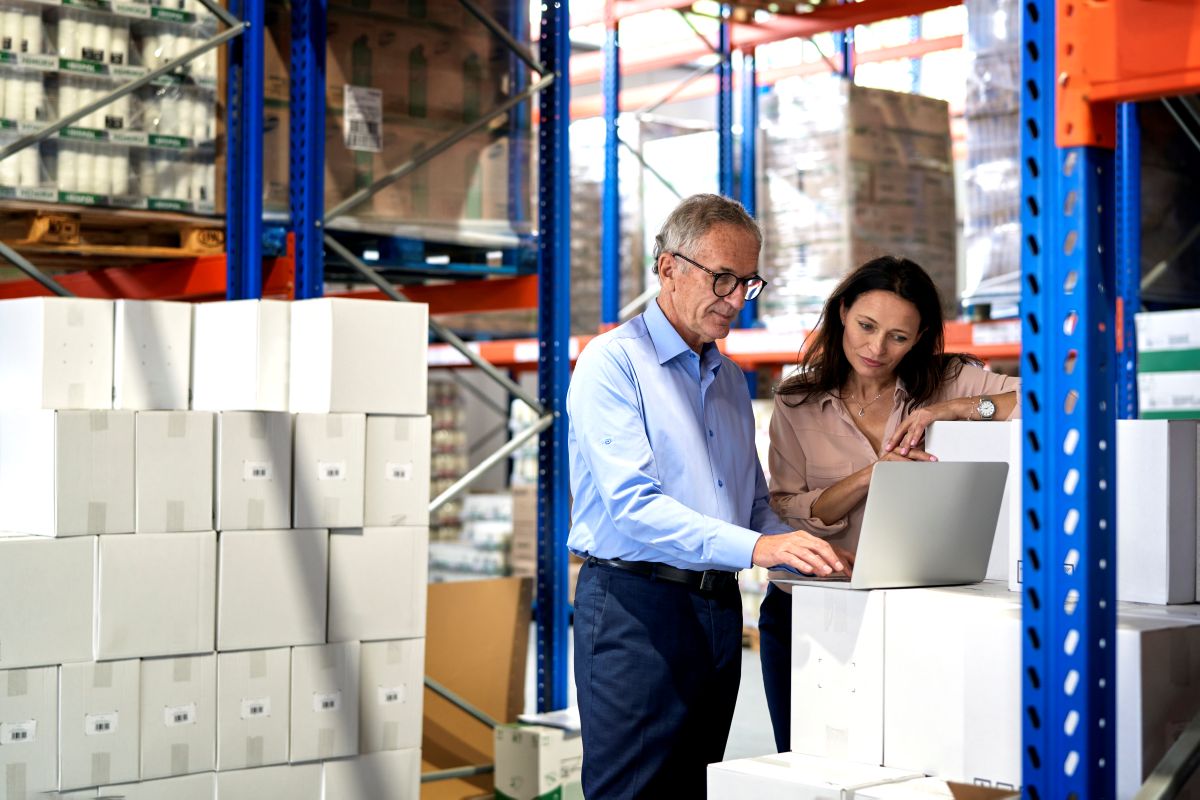
Global supply chains have never been more complex, and companies across the UK, Europe, and North America are under growing pressure to move goods faster, improve operational visibility, and prevent costly disruptions. Freight forwarding demands detailed coordination, accurate documentation, cross-border compliance expertise, and real-time communication across multiple stakeholders. Even a small delay can impact customer satisfaction, margins, and operational capacity.
As businesses look for ways to streamline logistics workflows while controlling costs, many are turning to outsourcing to South Africa for professional logistics talent, operations outsourcing, and back-office remote teams. South Africa has become an increasingly strategic choice for global freight operations due to its skilled workforce, English proficiency, cultural compatibility, and strong experience in freight logistics, supply chains, and documentation-heavy processes.
This article explores why South African logistics specialists offer a meaningful advantage to global companies, why they reduce delays more effectively than other outsourcing destinations, and why South Africa is becoming a preferred hub for operational and logistics support roles.
Why South Africa Has Become a Strategic Hub for Logistics Outsourcing
South Africa has a long-established logistics sector supported by major trade corridors, international shipping routes, and a workforce trained in supply chain management, freight forwarding, and documentation processing. Professionals entering the logistics and operations fields often receive formal training in transportation, customs, procurement, and inventory management, creating a pipeline of talent well-versed in global freight environments.
According to industry growth data shared by South African BPO and supply chain organizations, the country’s logistics talent pool has expanded significantly in recent years as global companies seek remote support for freight coordination, operational workflows, and cross-border compliance functions. This growth is driven not only by increasing global demand but by South Africa’s ability to deliver accuracy, problem-solving ability, and long-term workforce stability.
Companies in the UK, Europe, and North America rely on South African logistics teams to support real-time freight tasks, improve visibility across shipments, and ensure accurate documentation, all of which help reduce costly delays.
Why South African English Proficiency Improves Freight Accuracy
Clear, accurate communication is critical in logistics and freight operations. Misinterpreting a single document, customs instruction, or carrier update can result in shipment holds, delays, or financial penalties. South Africa’s high English proficiency significantly reduces these risks.
Professionals in logistics and operations communicate daily with carriers, customs authorities, suppliers, and warehouses. South Africa ranks among the top English-proficient nations globally, and this advantage ensures that communication is handled with clarity and precision. This reduces miscommunication points that often occur when outsourcing to regions with lower English fluency.
For UK, European, and North American companies, this linguistic alignment allows remote logistics specialists to operate with accuracy, maintain consistent documentation standards, and engage confidently with international partners.
Why Cultural Compatibility Strengthens Operational Efficiency
Cultural compatibility plays a critical role in logistics outsourcing, where timing, expectations, and attention to detail are essential. South African professionals share strong cultural alignment with Western markets, making it easier to integrate into existing operations and supply chain procedures.
Companies benefit from logistics professionals who understand Western business etiquette, escalation processes, and workflow expectations. This reduces friction and ensures smoother collaboration across departments. It also accelerates onboarding since remote logistics teams can quickly adapt to company systems, communication styles, and procedural frameworks used by UK, European, and North American teams.
Cultural compatibility becomes even more important in freight operations where adherence to deadlines, internal approvals, and compliance processes must be followed consistently and without deviation.
Why South African Logistics Specialists Reduce Delays in Freight Operations
One of the biggest challenges in global freight is the number of points where delays can occur. These include customs checks, document reviews, port congestion, incorrect declarations, supplier coordination issues, and inefficient tracking of exceptions. South African logistics specialists help reduce these delays by bringing strong analytical and administrative skills to high-volume freight tasks.
Professionals trained in logistics and operations often have experience in shipment tracking, customs documentation, transportation management systems, and exception handling. They understand the importance of accuracy and speed in environments where a single mistake can slow an entire supply chain.
Companies outsourcing to South Africa often rely on remote teams for invoice auditing, freight document verification, tracking updates, and vendor coordination. These tasks directly influence the speed at which shipments move through the supply chain and minimize the risk of unnecessary bottlenecks.
Because South African professionals are accustomed to working in structured, compliance-driven environments, they naturally reduce operational errors that commonly lead to shipping delays.
Why South Africa’s Time Zone Alignment Enhances Real-Time Coordination
Time zone alignment is a major advantage when outsourcing logistics roles. South Africa operates in GMT+2, offering near-perfect alignment with the UK and Europe. This allows logistics teams to work in real time with headquarters, carriers, and suppliers.
For freight operations that require rapid responses, this alignment eliminates delays caused by waiting for a distant offshore team to wake up or respond. South African logistics talent can engage immediately with live issues, support same-day updates, and coordinate freight activity without disrupting workflow cycles.
For North American businesses, the time difference still provides valuable coverage. South African teams can complete tasks during early morning hours or handle overnight operations, providing extended support to logistics schedules.
Why South Africa Is the Best Destination to Outsource Stable Logistics and Operations Roles
A major concern for companies outsourcing logistics and operations roles is workforce stability. These positions require familiarity with internal systems, freight patterns, vendor relationships, and seasonal trends. High turnover creates disruptions that slow down supply chain performance.
South Africa stands out for its workforce stability across professional roles, including logistics, finance, operations, and back-office remote teams. Professionals tend to remain in roles long-term, building institutional knowledge that strengthens supply chain predictability. Companies in the UK, Europe, and North America gain reliable continuity, reducing the need for frequent retraining or backfilling.
This long-term stability ensures logistics professionals can understand vendor histories, inventory cycles, and operational patterns, all of which contribute to fewer delays and stronger freight performance.
Why South African Talent Supports Cross-Functional Logistics Workflows
Modern supply chain operations increasingly require professionals with a mix of logistics, finance, and analytical skills. South African talent is well-positioned to support cross-functional workflows because of their widespread training in business administration, finance, and operations management.
Remote finance teams working alongside logistics specialists can support freight auditing, cost reconciliation, invoice accuracy, and budget tracking. Operations outsourcing teams can assist with documentation, vendor coordination, and workflow management. Back-office remote teams can maintain data integrity, ensuring freight information flows consistently across departments.
This ability to integrate logistics talent with finance, accounting, operations, and back-office functions creates a more cohesive supply chain ecosystem for companies that outsource to South Africa.
Conclusion
As global freight operations become more demanding, companies in the UK, Europe, and North America need logistics talent capable of maintaining accuracy, reducing delays, and supporting real-time coordination. South Africa offers one of the strongest talent pools for logistics, freight coordination, and operations outsourcing, supported by English proficiency, cultural compatibility, time zone alignment, and a deep understanding of global supply chains.
Outsourcing logistics roles to South Africa enables businesses to streamline operations, improve documentation accuracy, and strengthen overall freight performance. With skilled logistics specialists and stable remote teams across finance, accounting, operations, and back-office roles, South Africa provides a strategic advantage for companies seeking reliable, cost-effective support in an increasingly complex global logistics environment.
To build your logistics or operations remote team in South Africa, visit https://www.talentsam.com/contact/ to get started.